
How a piece gets made.
Three benches in one room off a courtyard in Lisbon. Nothing moves to the next bench until the one before is happy with it. This is the order things happen in, most weeks.
-
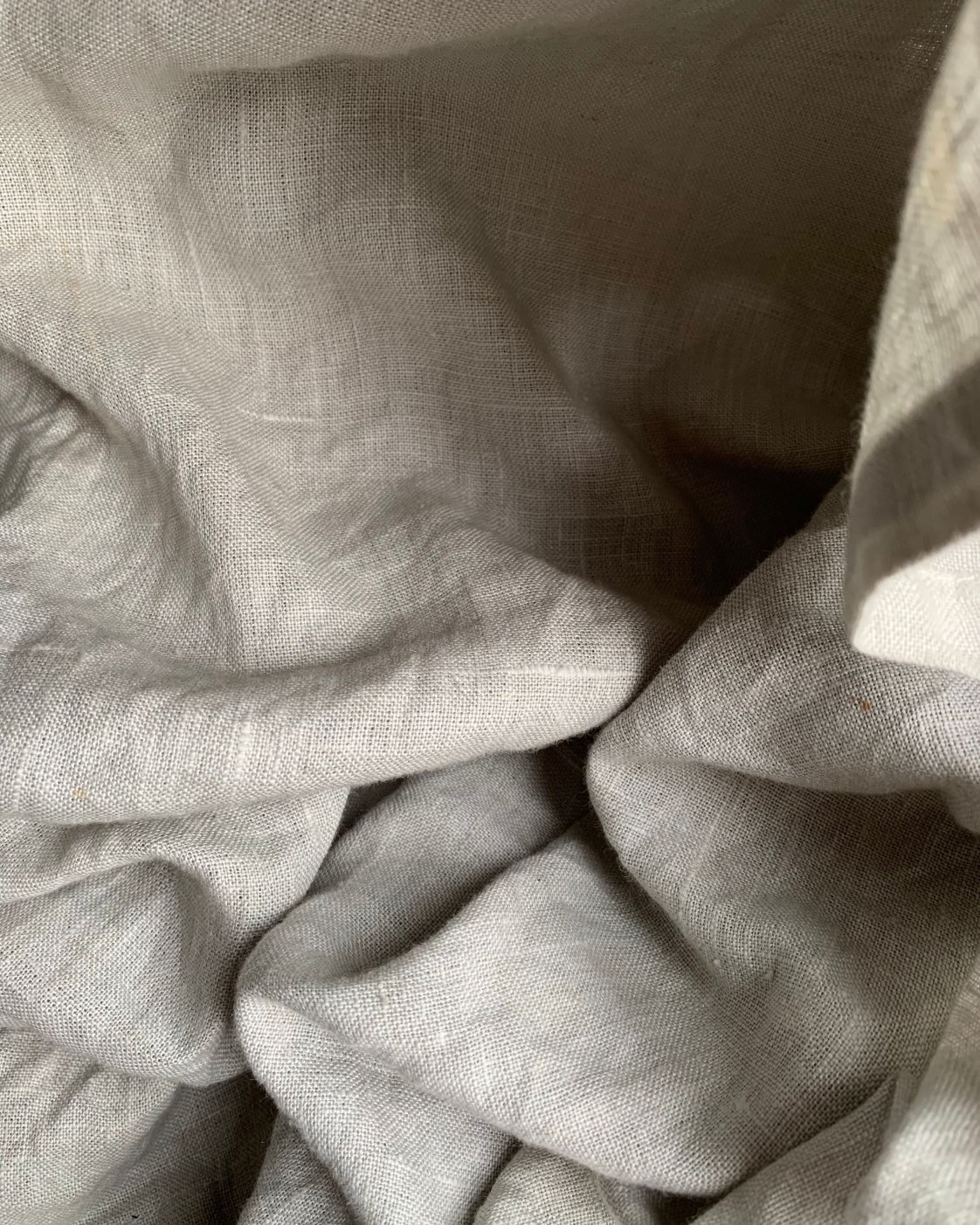
Cut.
Bench one · mornings
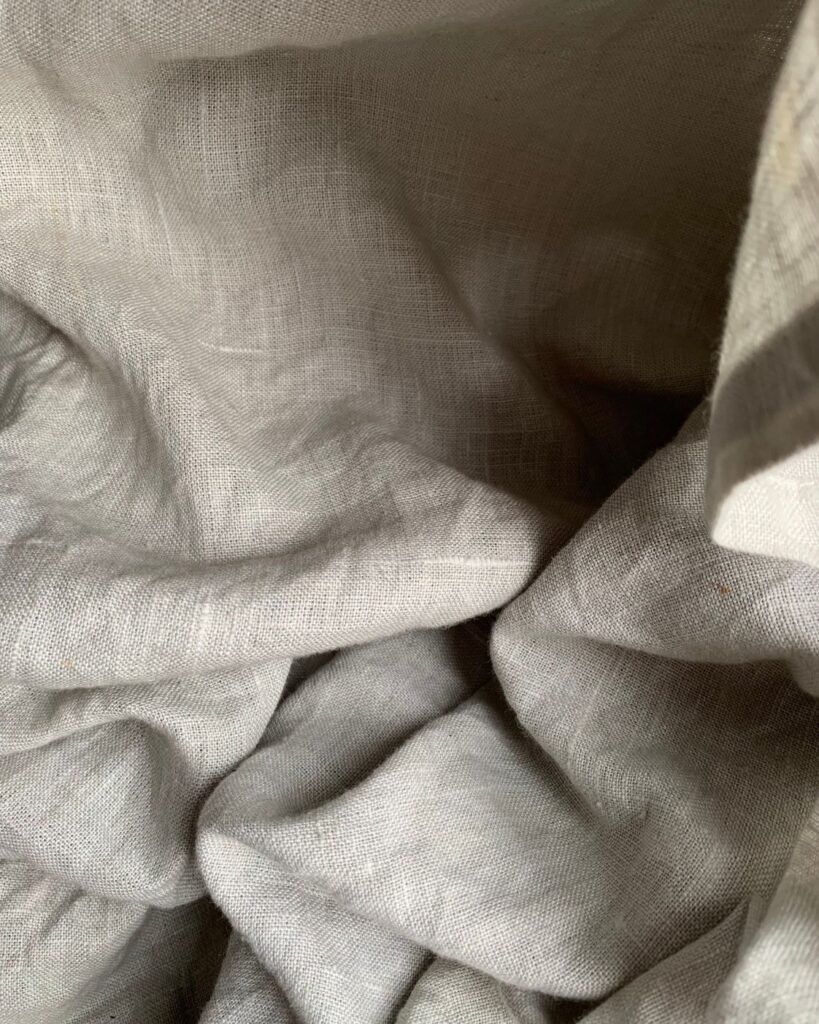
Linen rests flat overnight, then we chalk each panel by hand and cut one length at a time.
-

Knit.
Bench two · the loud room
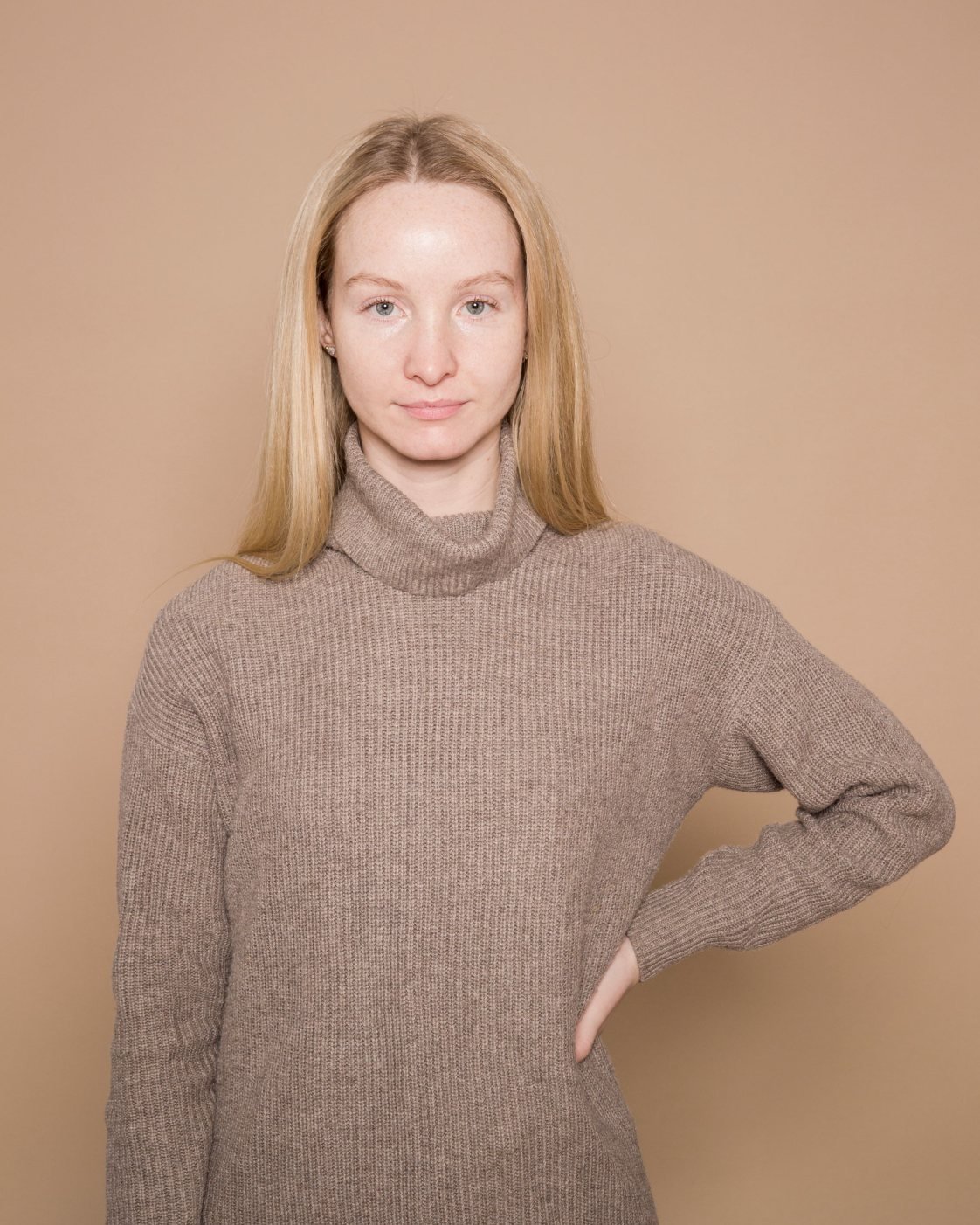
Merino and lambswool go on the slow frame, then one cold wash, so the size we sell is the size that stays.
-
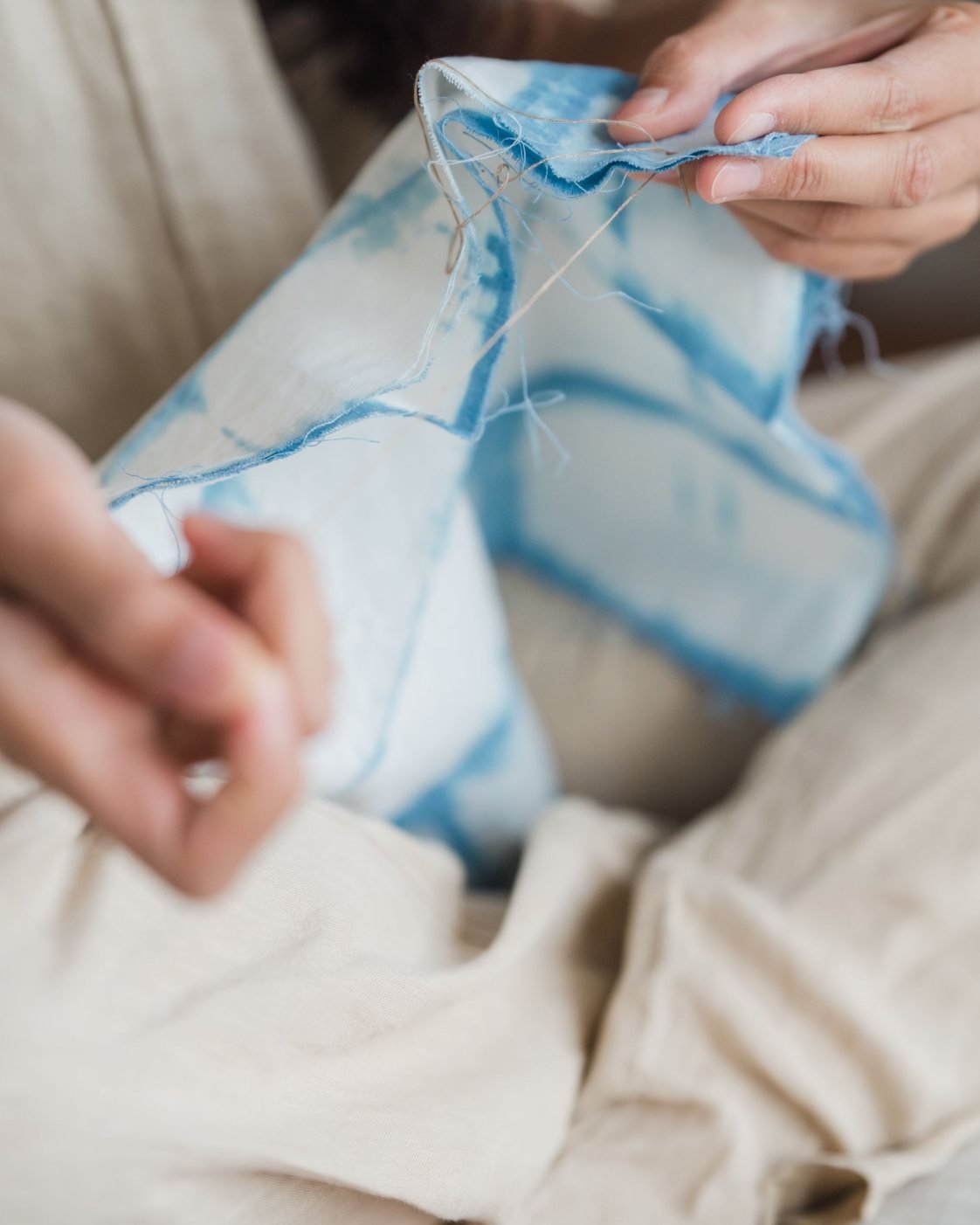
Finish.
Bench three · afternoons
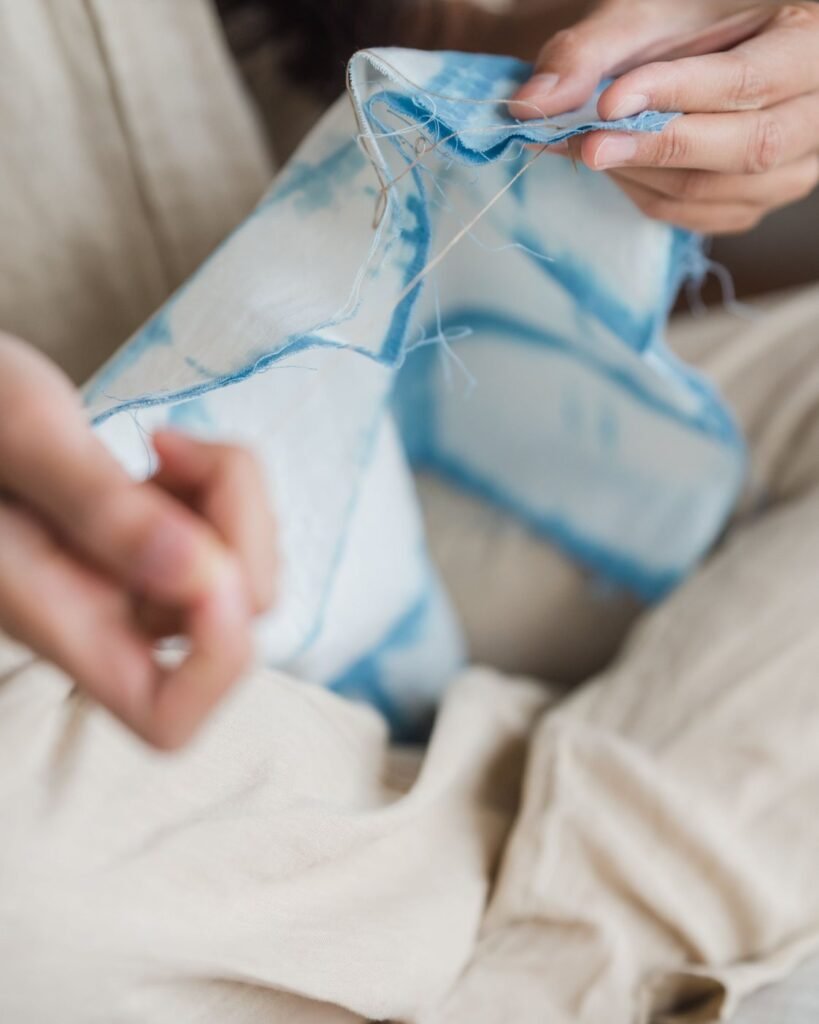
Seams pressed open, buttons sewn on with a shank, and whoever finished it wears it for a minute before it is folded.
What we cut from.
Five cloths and one rule on the shelf this season. We choose each for how it wears in its third winter, not how it feels on the hanger.
-
185 g/m²Woven in Belgium
Belgian linen Stone
Our shirts and the Linen Crewneck: creased on day one, soft by the tenth wash.
-
230 g/m² · 2-ply
Merino Sage
The Merino Crew, fine enough for bare skin from October to April.
-
310 g/m² · 3-ply
Lambswool Oat
The Lambswool Sweater, brushed once on the inside and never shaved.
-
220 g/m² · jersey
Organic cotton Bone
Tees and totes that go in the wash every week and come out the same shape.
-
540 g/m² · melton
Wool Camel
The coat and the Field throw, milled dense enough to turn the wind off the river.
-
Woven tape · 12 mm
No blends the neck label
Sewn flat inside every piece: one fibre, written at 100%, nothing to decode.
-
How we weighg/m²
Weights are grams per square metre, taken after the first wash, not before. Anything that shrinks gets weighed twice.
From the cutting table.
Our shirt pattern has changed four times in eleven years, and every time it was because someone came back to the atelier and showed me where it pulled.